Tongue Tie Signs Most Parents Miss
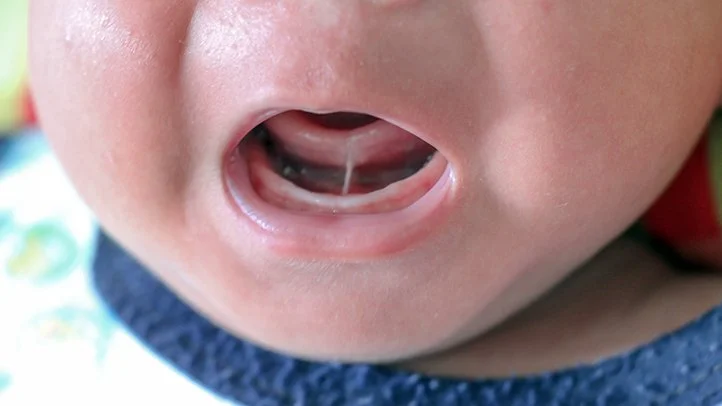
When most parents think of a tongue tie, they picture a baby who can't stick their tongue out.
But tongue ties aren't always that obvious.
In fact, many babies with tongue ties are gaining weight, feeding frequently, and appear healthy on the surface. Unfortunately, underlying oral function challenges can still impact feeding, comfort, sleep, and development.
That's why it's important to look beyond weight gain alone.
What Is a Tongue Tie?
A tongue tie occurs when the tissue underneath the tongue restricts normal tongue movement and function.
While some tongue ties are easy to see, others are more subtle and require a functional assessment.
The key question isn't:
"Does my baby have a tongue tie?"
The better question is:
"Is my baby's tongue functioning properly?"
Sign #1: Breastfeeding Hurts
One of the most common signs parents miss is ongoing breastfeeding pain.
Many moms are told: "Breastfeeding pain is normal."
While some tenderness can occur initially, persistent pain often indicates that something isn't functioning optimally.
Signs may include:
Pinching during feeds
Cracked nipples or nipple damage
Lipstick-shaped nipples after nursing
Pain throughout the feeding session
Sign #2: Clicking During Feeding
A clicking sound often occurs when a baby loses suction during feeding.
This may indicate difficulty maintaining a seal due to poor tongue function.
Clicking can occur:
At the breast
During bottle feeding
While using a pacifier
Sign #3: Reflux-Like Symptoms
Many babies with oral function challenges experience symptoms commonly associated with reflux.
You may notice:
Arching during feeds
Frequent spit-up
Fussiness after eating
Pulling away from the breast
Excessive gas
While reflux can occur independently, feeding dysfunction may contribute to symptoms in some babies.
Sign #4: Long Feeding Sessions
Does your baby spend 45 minutes to an hour at the breast but still seem hungry?
Inefficient milk transfer may be a sign that your baby is working harder than necessary to feed.
Some babies compensate remarkably well, making the issue easy to overlook.
Sign #5: Poor Bottle Feeding
Tongue ties don't only affect breastfeeding.
Bottle-fed babies may also struggle with:
Clicking
Leaking milk
Excessive air intake
Choking or coughing
Difficulty maintaining suction
Oral function matters regardless of how a baby is fed.
Sign #6: Body Tension
Many babies with tongue ties develop compensation patterns throughout their body.
Parents may notice:
Preference looking one direction
Difficulty turning the head
Arching
Stiffness
Challenges with tummy time
This is one reason why addressing body tension is often an important part of care.
Sign #7: Sleep Challenges
While sleep is complex and influenced by many factors, some babies with oral function challenges struggle to maintain comfortable feeding patterns during the day, which may contribute to frequent waking and unsettled behavior.
Sign #8: Gaining Weight Doesn't Mean Everything Is Fine
This is one of the biggest misconceptions I see.
A baby can gain weight and still have:
Feeding inefficiencies
Maternal pain
Poor oral function
Excessive gas
Reflux-like symptoms
Body tension
Weight gain is only one piece of the puzzle.
What Happens During a Tongue Tie Evaluation?
At The Well Chiropractic & Lactation Support, we evaluate:
Tongue mobility
Full oral function
Latch quality
Milk transfer
Feeding efficiency
Body tension
Head and neck mobility
The goal is to understand how your baby functions—not simply whether a tie is present.
Tongue Tie Evaluations in Danville and Livermore
If you're concerned about feeding difficulties, reflux, body tension, clicking, painful breastfeeding, or possible oral restrictions, I'd love to help.
A thorough evaluation can help identify whether your baby's feeding challenges may be related to oral function and provide a personalized plan for moving forward.
Virtual consultations are also available.