

Low Milk Supply Support & Investigation in Danville
You've tried everything. Your supply still isn't responding. Let's find out why.

Why Low Milk Supply Happens
If you're worried about low milk supply, you're not alone. Many moms are told the solution is simply to feed more often, pump more, or try supplements.
While feeding frequency and latch absolutely matter, sometimes milk supply struggles for reasons that go beyond feeding mechanics.
In some cases, there may be underlying hormonal, metabolic, or nutrient factors affecting the body's ability to produce milk. When supply isn't improving despite doing "all the right things," it may be time to look deeper.
When Common Advice Isn’t Enough

Most moms dealing with low milk supply are told the same things:
Improve your latch
Feed more frequently
Pump after feeds
Try lactation supplements
Adjust your feeding strategy
If you've done all of that and your supply still isn't responding — there may be something deeper going on. Low milk supply isn't always a technique problem. Sometimes it's a physiology problem.
Health Factors That Can Affect Milk Supply
Certain underlying health conditions and imbalances can directly impact milk production, including:
Thyroid function — even subclinical thyroid dysfunction can suppress supply
Iron levels — low iron is frequently overlooked in postpartum moms
Blood sugar and metabolic health — including insulin resistance
PCOS — a common hormonal condition with real implications for lactation
Hormone imbalances — estrogen, progesterone, and prolactin all play a role
Nutrient deficiencies — postpartum depletion is real and underdiagnosed
Prolactin response — the hormone most directly tied to milk production
Identifying these factors doesn't mean something is seriously wrong. It means we're looking at the full picture instead of guessing.

Lab Testing for Low Milk Supply
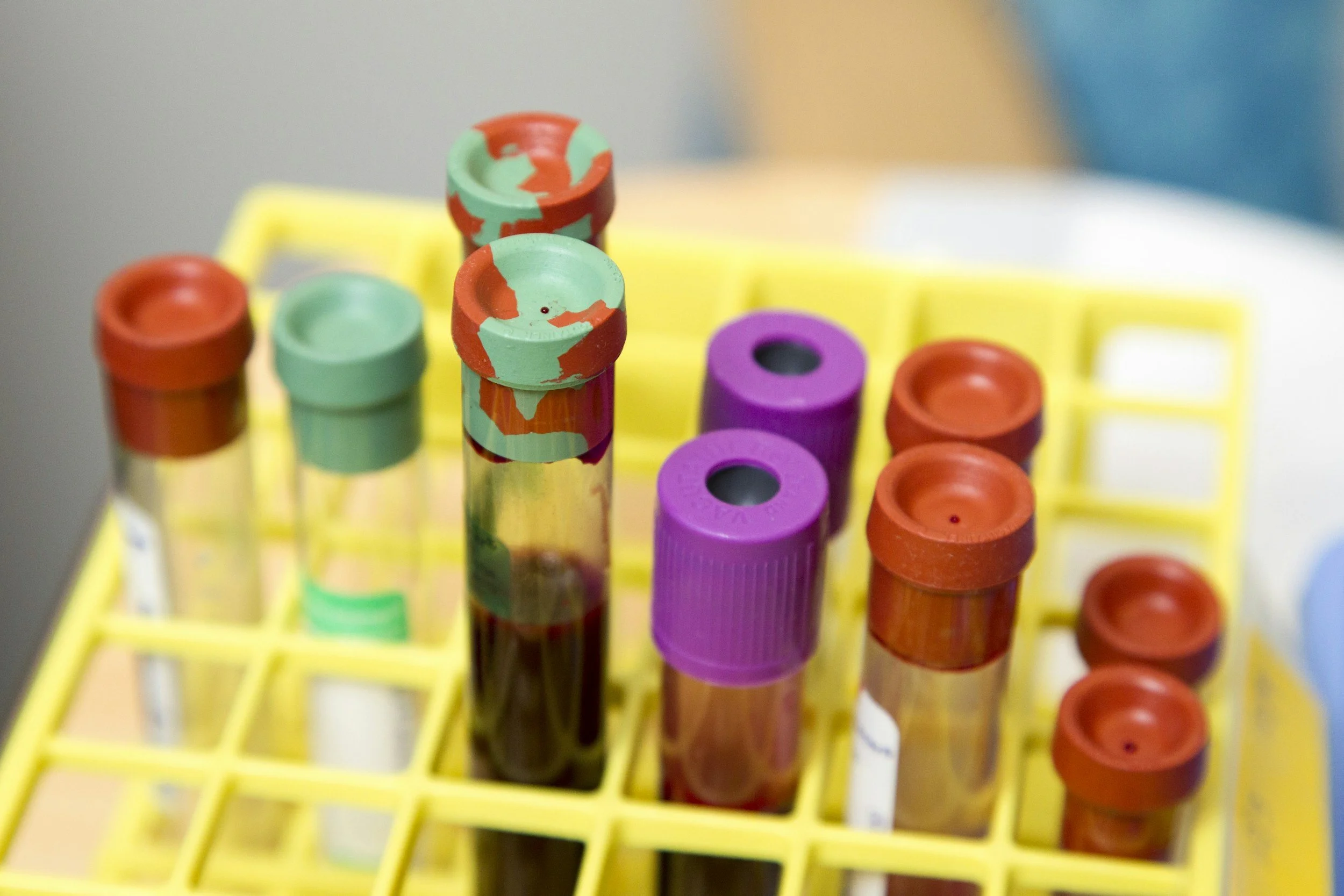
In some cases, targeted lab work can reveal exactly what's standing between you and a stronger supply.
Testing may evaluate:
Thyroid panel
Iron and ferritin stores
Hormone levels including prolactin
Blood sugar and metabolic markers
Key nutrient levels
The goal isn't to run unnecessary tests. The goal is to stop guessing and start understanding what your body actually needs.

“My Doctor Said My Labs were normal”
This is one of the most common things I hear and one of the most frustrating.
The reality is that most providers are not specifically trained in evaluating lab work through the lens of lactation and milk production. Reference ranges that look "normal" in routine care may still reflect patterns that matter when it comes to supply.
If your provider has declined to order labs, told you everything looks fine, or simply didn't know what to look for — that doesn't mean answers don't exist. It may just mean you haven't yet seen someone who specializes in this.
A Whole-Picture Approach to Low Milk Supply
At The Well, low milk supply is never evaluated in isolation. Your consultation may include:
Feeding and latch evaluation
Milk transfer assessment
Full maternal health history review
Discussion of whether lab testing is appropriate for your situation
A personalized plan built around your specific feeding goals
Because supply issues are rarely caused by just one thing and the solution rarely is either.

This Consultation Is Right for You If...
You've tried the standard recommendations without improvement
You suspect a hormonal or health factor may be involved
Your provider dismissed your concerns or declined to order labs
You want to understand the why behind your supply struggles
You're ready to stop guessing and start getting real answers
You Shouldn't Have to Keep Guessing
You've done the work. You've followed the advice. And you still feel like something isn't adding up.
You're not imagining it. You're not failing. And you don't have to navigate this alone.
Sometimes the missing piece is simply looking deeper and having a provider who knows what to look for.
Book a Low Milk Supply Consultation
If you're ready for real answers and a plan that actually makes sense for your body and your baby — I'd love to support you.